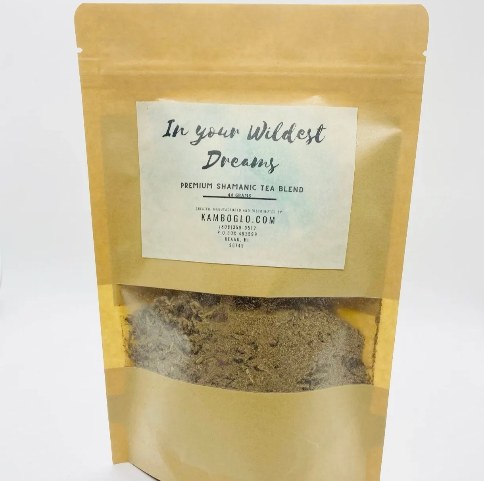
Every booking starts with a short questionnaire before anything is applied. Here’s what’s actually on it, and why a “no” on any of it matters more than you’d think.
Why we ask before anything else
Kambo triggers a real physiological response — a fast heart rate, sweating, a rise in blood pressure, and usually vomiting, all within a few minutes of application. That's expected and, for most healthy adults, it passes without incident. But the same response can be genuinely risky for a smaller group of people, which is why the intake comes first, not after you've already shown up.
What's actually on the form
Three things, mainly: your cardiovascular history, anything you're currently taking, and where you are in a pregnancy or nursing timeline if that applies. We ask directly about heart conditions, stroke history, and Addison's disease, because each of those changes how your body handles the spike Kambo causes. We ask about medications because a few common ones — particularly certain psychiatric medications — interact with the secretion in ways that matter.
What a "not yet" looks like
Sometimes the honest answer is to wait, or to skip Kambo and talk through the self-administration or facilitator programs instead once your circumstances change. That's not a failed intake — it's the intake doing its job. Facilitators who wave people through regardless of what's on the form aren't being generous, they're skipping the one step that actually keeps people safe.
Bringing it to your session
Fill out the form as completely as you can before you arrive, and bring anything you weren't sure how to answer to the conversation in person — that's what the pre-session call is for. Nothing on the intake is used to judge you; it's used to make sure the person applying Kambo that day has the full picture.